


随着半导体制造向更先进制程持续演进,超纯水系统的水质稳定性、关键材料性能和废水治理能力,已成为影响芯片良率、工艺可靠性及产线运行效率的核心要素。超纯水中痕量污染物的精准控制,直接决定先进制程的稳定运行;半导体生产过程中产生的高浓度复杂废水,其分类处理、零排放及废水回用,也日益成为企业践行绿色制造、降低综合成本的关键路径。在半导体水处理领域国产化替代加速推进的背景下,电子级反渗透膜、精密过滤设备、核心耗材及实时水质预警技术不断取得突破,行业正从“满足使用”向“极致稳定、智能管控、资源循环”全面升级。如何构建安全、高效、可持续的超纯水供应体系,并实现废水减量化与资源化,已成为半导体全产业链协同攻关的重要课题。
As semiconductor manufacturing evolves toward more advanced processes, the quality stability of ultrapure water system, the performance of critical materials, and wastewater treatment capabilities have become pivotal factors influencing chip yields, process reliability, and production line efficiency. Precise control over trace contaminants in ultrapure water directly determines the stable operation of advanced manufacturing processes; furthermore, the classified treatment, zero discharge, and water reclamation of the complex, high-concentration wastewater generated during semiconductor manufacturing are increasingly becoming critical pathways for enterprises to implement green manufacturing and reduce overall costs. Against the backdrop of accelerating domestic substitution in the semiconductor water treatment sector—marked by emerging breakthroughs in electronic-grade reverse osmosis membranes, precision filtration equipment, core consumables, and real-time water quality early-warning technologies—the industry is undergoing a comprehensive upgrade, shifting from merely “meeting needs” to achieving “ultimate stability, intelligent control, and resource recycling”. How to build a safe, efficient, and sustainable ultrapure water supply system, while realizing wastewater reduction and resource recovery, has become a key challenge for the entire semiconductor industry chain to address collaboratively.
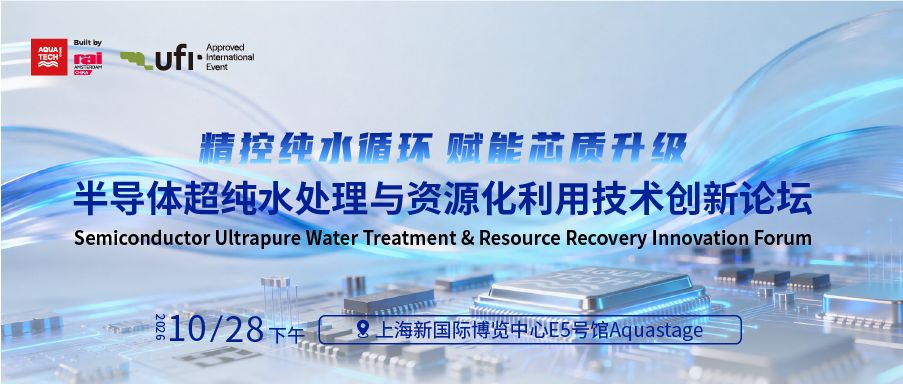
Aquatech China 2026 将于 10 月 28 日下午联合北京君安格水处理技术咨询有限公司举办“精控纯水循环,赋能芯质升级——半导体超纯水处理与资源化利用技术创新论坛”。会议拟按照“标准→工艺→回用→国产化”的技术演进路径,围绕超纯水制备水质极致管控、膜技术与精密过滤、工艺废水分类处理及废水回用、核心设备与耗材国产化替代等内容展开交流,并邀请半导体制造企业、水处理系统集成商、膜与材料技术企业及科研机构共同参与,推动半导体超纯水全链条技术创新与产业协同。
The “Semiconductor Ultrapure Water Treatment and Resource Utilization Technology Innovation Forum” jointly organized by Aquatech China 2026 and Beijing Junange Water Treatment Technology Consulting Co., Ltd, will be open on the afternoon of October 28th. Following the technological evolution path of “Standards → Processes → Reuse → Localization,” the forum will facilitate discussions on topics such as stringent water quality control for advanced manufacturing processes, membrane technologies and precision filtration for ultrapure water production, classified treatment and zero discharge/recycled water reuse of high-concentration process wastewater, and the domestic substitution of core equipment and consumables. Semiconductor manufacturers, water treatment system integrators, membrane and material suppliers, and research institutions will be invited to participate together, aiming to drive technological innovation and industrial synergy across the entire semiconductor ultrapure water chain.
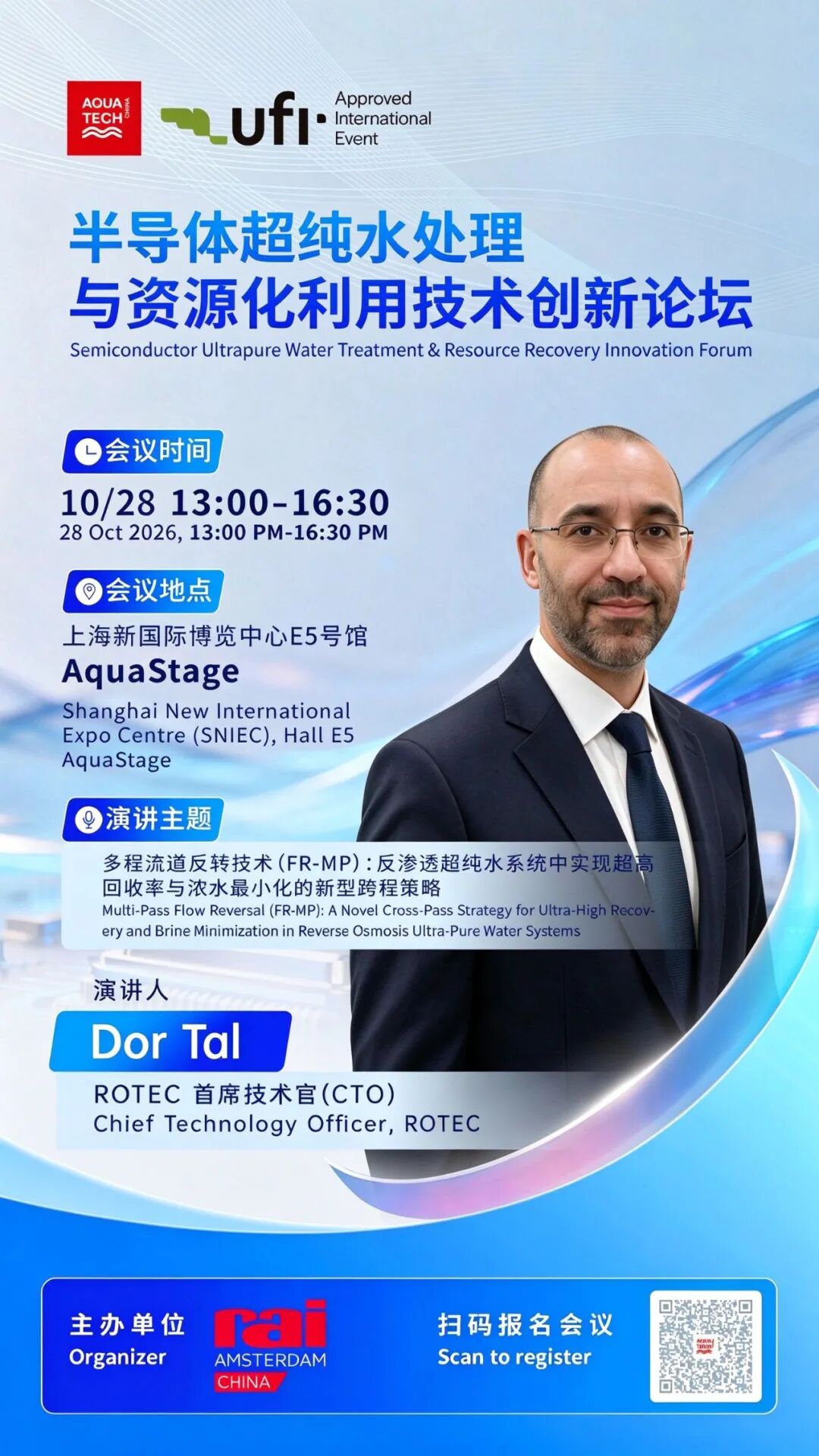
ROTEC 首席技术官(CTO)Dor Tal确认出席“半导体超纯水处理与资源化利用技术创新论坛”。
Mr. Dor Tal, Chief Technology Officer (CTO) of ROTEC, will join the Semiconductor Ultrapure Water Treatment and Resource Recovery Technology Innovation Forum 2026.
多程流道反转技术(FR-MP):反渗透超纯水系统中实现超高回收率与浓水最小化的新型跨程策略
Multi-Pass Flow Reversal (FR-MP): A Novel Cross-Pass Strategy for Ultra-High Recovery and Brine Minimization in Reverse Osmosis Ultra-Pure Water Systems
14:40~15:10
Dor 现任 ROTEC 首席科学家兼首席技术官(CTO),拥有 18 年水处理行业高层管理经验。他主导多项创新技术研发,并负责大型海水淡化厂的运行优化,运用先进数据分析与数值化解决方案保障运营效率。他在水处理与医学领域拥有三项专利,同时担任高校及行业讲师,分享其在海水淡化、水处理及水化学领域的专业经验。Dor 拥有环境科学与生物技术理学学士学位、海洋科学硕士学位(以最高荣誉毕业),目前为海法大学环境科学博士候选人,研究方向聚焦于高回收率技术与循环经济。
Dor is the Chief Scientist and CTO at ROTEC, with 18 years of senior-level experience in the water treatment industry. He has led the development of innovative technologies and optimized large-scale desalination plants, using advanced data analysis and numeric solutions to ensure operational efficiency. He holds three patents in both water treatment and medical science. He is also an academic and industry lecturer, sharing his expertise in desalination, water treatment, and water chemistry. Dor holds a B.Sc. in Environmental Science and Biotechnology, a Masters (Summa cum laude) in Marine Science, and is a Ph.D. candidate in Environmental Science at Haifa University. His research is focused on high recoveries technology and circular economy.
全球超纯水(UPW)市场正快速增长,主要受半导体制造、医药生产及发电行业对水质纯度的严苛需求所驱动。超纯水的水质指标要求电导率不超过 0.055 μS/cm,悬浮固体可忽略不计,痕量金属浓度需达到万亿分之一(ppt)级别。为达到上述标准,需采用一系列单元处理工艺,通常包括用于去除有机物和颗粒物的预处理(膜生物反应器 MBR、多介质过滤 MMF、超滤 UF 或微滤 MF),随后通过多级反渗透(RO)系统完成主要脱盐,最后由电除盐(EDI)进行终端精处理。反渗透环节是阻隔溶解性离子和有机物的主要屏障,其运行效率直接决定整个系统的回收率、浓水排放量及药剂消耗量。然而,传统反渗透排列在末端膜元件处面临一个关键瓶颈 —— 进水在流经末端时浓度不断升高。随着回收率提高,末端元件始终在溶质浓度最高、驱动压差最低的工况下运行。这种持续的高过饱和环境往往会超出难溶物质(如碳酸钙 CaCO₃、硫酸钙 CaSO₄、二氧化硅 SiO₂)的溶解度极限,并导致有机及胶体污染物的累积,最终造成膜通量下降以及不可逆的结垢与污染。因此,末端膜元件成为制约系统回收率提升的主要因素。为突破这一限制,业界开发出瞬态、时变的反渗透运行策略,以打破促成结垢的稳态工况。流向反转反渗透(FR-RO)技术通过周期性交换首端与末端膜元件的位置,使垢体晶核成熟所需的诱导时间不断重置。多级流向反转结合段间膜组轮换技术已在商业化应用中取得显著成效,在苦咸水和废水处理场景下回收率最高可达 98.6%,并在严重结垢倾向下仍能保持稳定运行。近期的技术创新则在探索混合型设计 —— 通过周期性重构膜列连接方式,融合流向反转反渗透与多级系统的优势,仅需对硬件进行适度改造,即可进一步优化超纯水的制备效率。
The global ultrapure water (UPW) market is rapidly growing, driven by stringent purity demands in semiconductor fabrication, pharmaceutical manufacturing, and power generation. UPW specifications require electrical conductivity below 0.055 μS/cm, negligible suspended solids, and parts-per-trillion trace metal concentrations. To achieve this, a sequence of unit processes is employed, typically comprising pretreatment (MBR, MMF, UF, or MF) for organics and particulates, followed by a multi-pass reverse osmosis (RO) system for primary ion rejection, and electrodeionization (EDI) for final polishing. The RO stage serves as the primary barrier for dissolved ions and organics. Its efficiency dictates the system's overall recovery, reject volume, and chemical consumption. However, conventional RO arrays face a critical limitation at the tail-end elements, where feedwater becomes progressively concentrated. As recovery increases, these elements operate under the highest solute concentrations and lowest driving pressure differentials. This persistent high-supersaturation environment often exceeds the solubility limits of sparingly soluble salts (e.g., CaCO3, CaSO4, SiO2) and leads to the accumulation of organic and colloidal foulants, resulting in flux decline and irreversible scaling and fouling. Consequently, the tail-end elements act as the primary constraint on achievable system recovery.To overcome this limitation, transient, time-varying RO operation strategies have been developed to disrupt the steady-state conditions that promote scale formation. Flow reversal RO (FR-RO) periodically exchanges the position of lead and tail elements, resetting the induction time required for scale nucleation to mature. Multi-stage flow reversal combined with inter-stage block rotation has demonstrated significant commercial success, achieving recoveries up to 98.6% in brackish water and wastewater applications while maintaining stable performance under severe scaling propensities. Recent innovations explore hybrid designs that periodically reconfigure array connections, blending the advantages of FR-RO and multipass systems to further optimize UPW production while requiring only modest hardware adjustments.

扫码报名会议

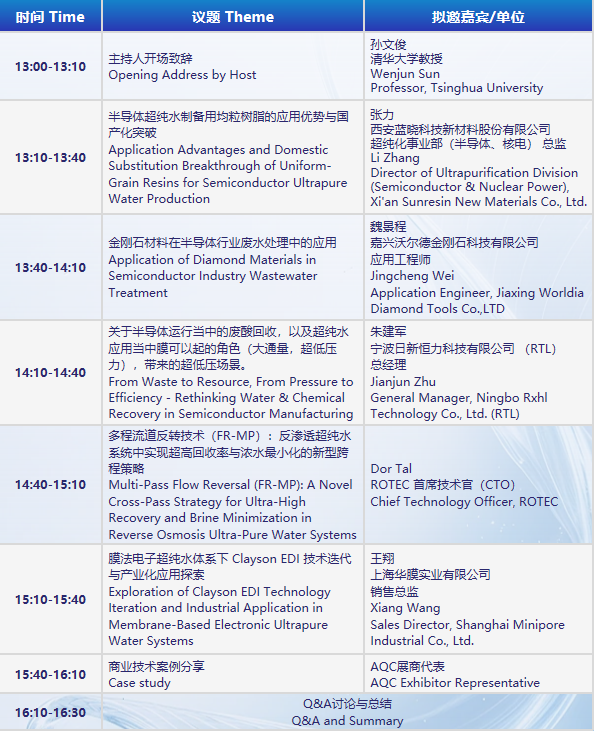
最终议程如有调整,以现场实际情况为准。

AQUATECH CHINA
荷兰阿姆斯特丹国际水处理展览会·中国展
亚洲水技术展览会
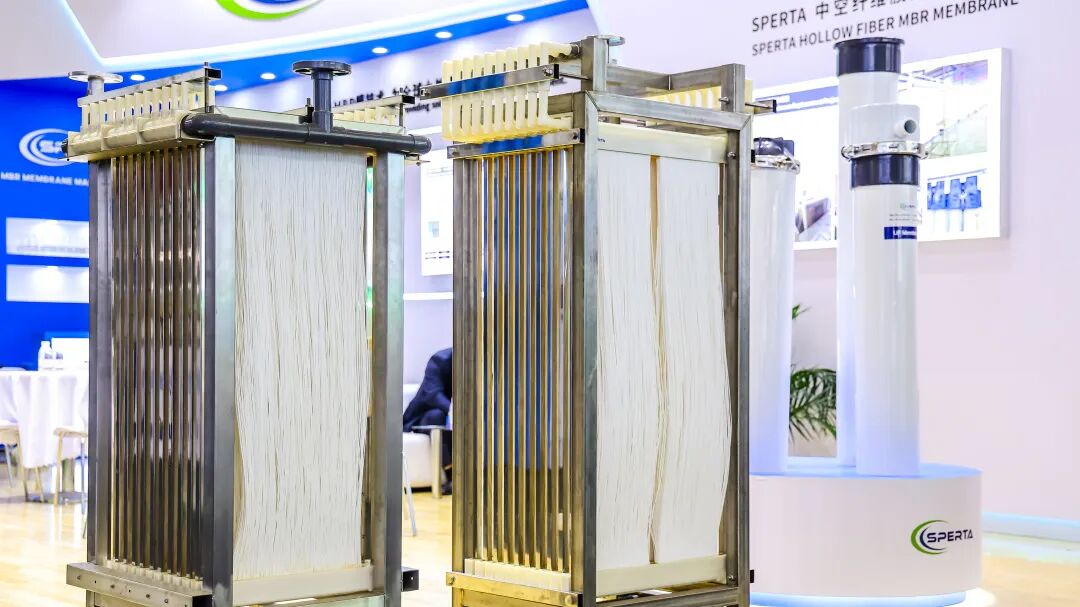
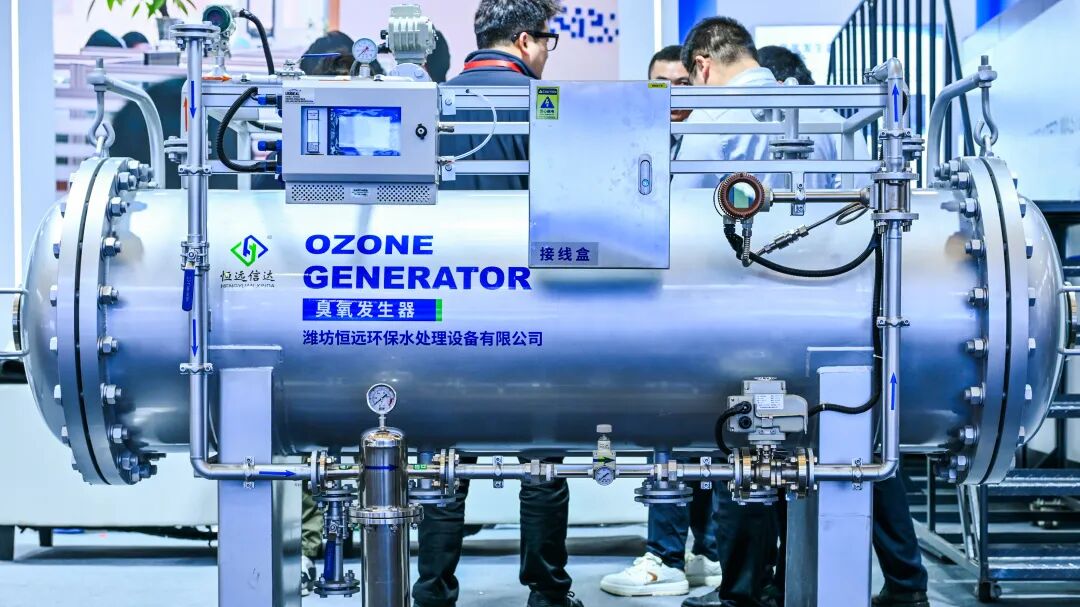
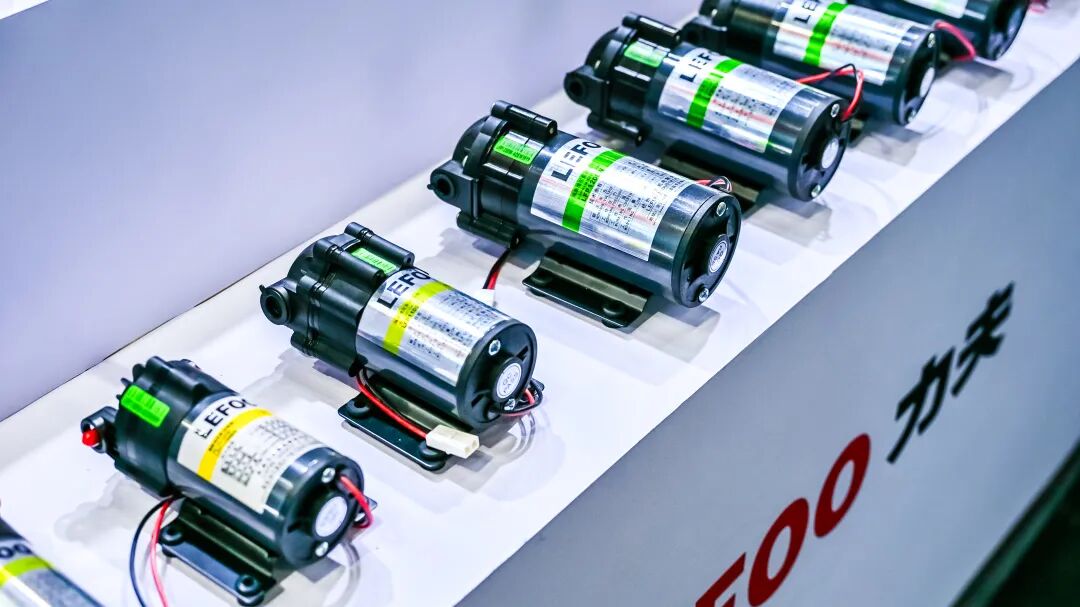
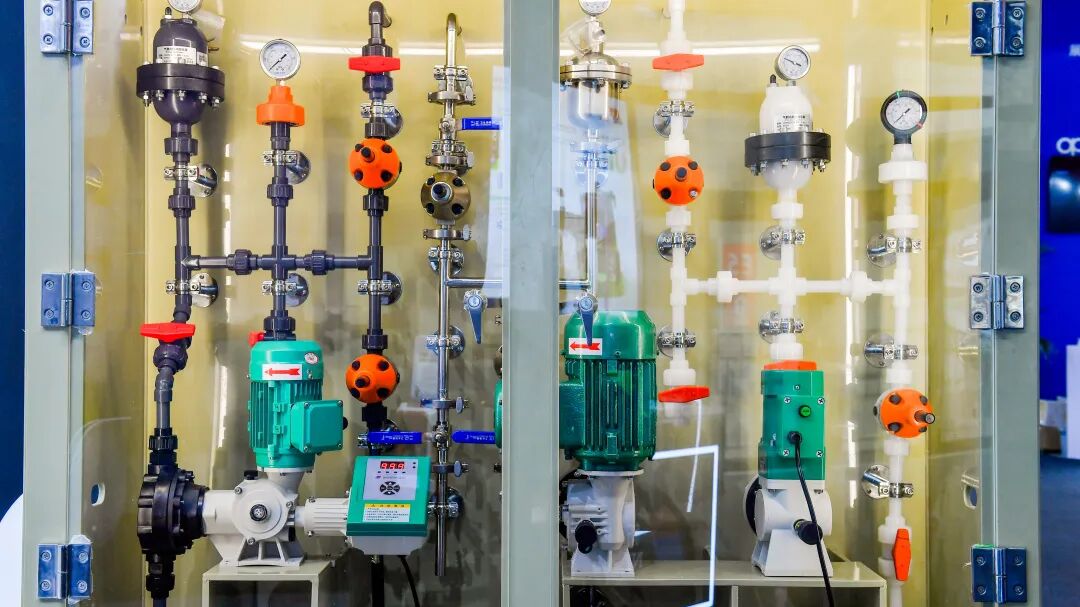

专注水行业,覆盖全领域
TOGETER WE MAKE WATER WORK
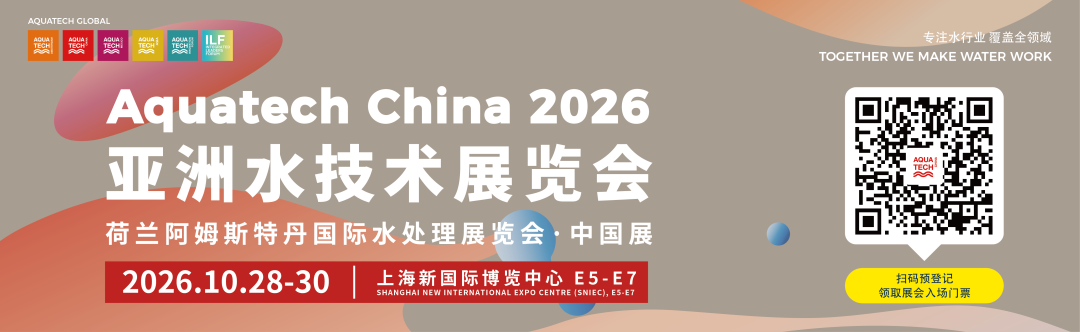
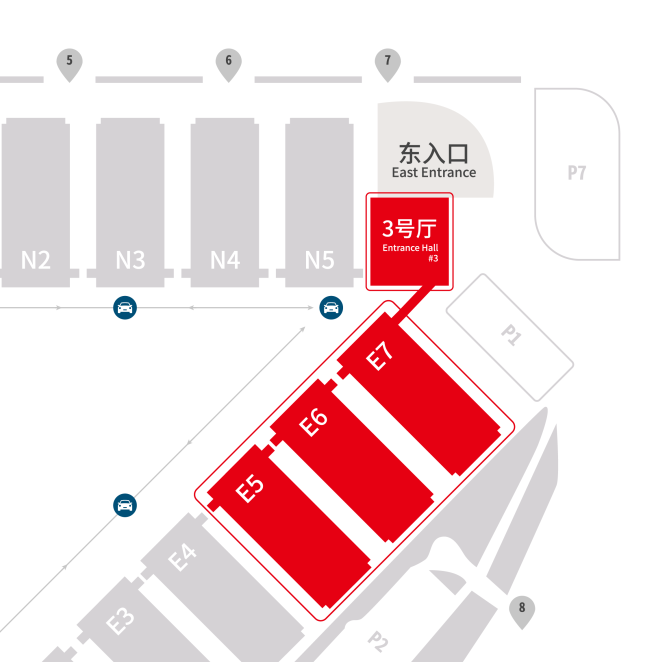
荷兰阿姆斯特丹国际水处理展览会·中国展暨Aquatech China 2026亚洲水技术展览会将于2026年10月28-30日在上海新国际博览中心·E5至E7馆举办。
作为专注于水、服务于水的水处理行业风向标展览会,Aquatech China展品覆盖水处理全产业链,包含净水、水与污水处理、给排水管网及泵管阀、过程控制与自动化管理等领域。展会背靠荷兰母展近60年水处理展会经验与资源,辐射亚太地区水处理行业,是全球水处理人技术交流、商贸往来的优选专业平台。
Aquatech China由荷兰RAI锐昂展览集团大中华区子公司——锐昂展览(上海)有限公司主办。
更多请访问官网: www.aquatechexpo.com



点击下方“阅读原文”,免费领取参观门票