


Rooted in the Netherlands and founded in 1968, Aquatech is one of the longest established exhibition brands in the water treatment industry. Aquatech China is an international exhibition and business platform under Aquatech Global, committed to advancing innovation exchange and industrial collaboration in Asian water technology through its global resource network.
源于荷兰,全球水处理行业闻名展览会Aquatech品牌创立于1968年。Aquatech China亚洲水技术展览会,是隶属于Aquatech Global全球系列展的国际性展会与商贸平台,依托全球资源网络,致力于推动亚洲水技术的创新交流与产业合作。
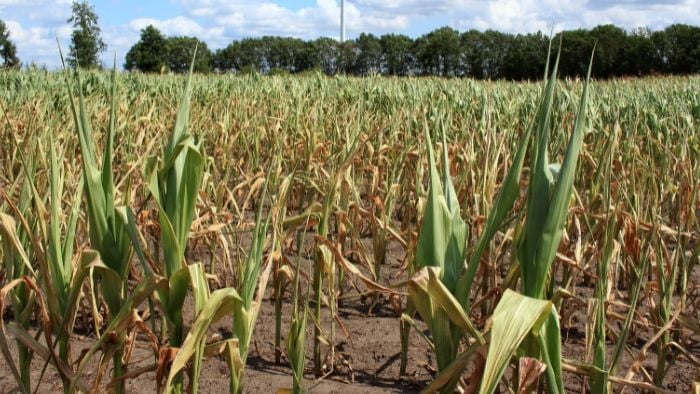
Water risk needs to be taken seriously; we all know that. According to the WWF, the percentage of the global population exposed to high water risk is likely to increase from 17 per cent (2020) to 51 per cent by 2050. So, half of the world’s population will be exposed to high water risk in just over two decades.
众所周知,水风险必须引起人们的高度重视。世界自然基金会(WWF)指出,全球面临高水风险的人口比例预计将从2020年的17%上升至2050年的51%。这意味着,仅在短短二十多年时间内,全球半数人口将暴露于高水风险环境中。
The impact on global GDP is also significant. In 2020, 10 per cent of global GDP was exposed to high water risk. By 2050, the WWF predicts that almost half of global GDP will be exposed (46 per cent).
水风险对全球GDP也是影响巨大。2020年,全球GDP总量中有10%面临较高的水风险。世界自然基金会预测,到2050年,全球GDP总量近半数(46%)将暴露于高水风险之中。
In this interview, we talks to Jennifer Möller-Gulland, water risk expert at the Water Security Collective, about water risk and why it is often misunderstood in corporate decision-making.
本期Aquatech Global专访了水安全联盟(Water Security Collective)的水风险专家 Jennifer Möller-Gulland,探讨水风险以及企业决策过程中常常误解水风险的原因。
Abstract concepts that are already having a huge impact 抽象概念已产生现实影响
“It is almost incomprehensible to imagine what 2050 would look like if those figures become reality,” Möller-Gulland begins. “This is why I am passionate about working towards addressing water risks. I want to help prevent those scary scenarios from happening.”
采访之初,Möller-Gulland就提到,“如果这些数据变成现实,你几乎难以想象2050年将会是什么样子。这也是我热切致力于应对水风险的原因,我想帮助人们预防那些可怕情景的发生。”
For companies, the reality is already being felt. According to a survey conducted by CDP in 2018, 69 per cent of listed equities (listed via CDP) were already feeling the effects of exposure to water-related risks. The two major reported impacts were higher operating costs (26 per cent) and plant/production disruptions leading to reduced output (25 per cent). Eight per cent were already experiencing disruptions to their water supply.
实际上,企业已经切身感受到了它的现实影响。根据CDP于2018年开展的一份数据调查显示,69%的上市公司(通过CDP披露)已切身感受到因暴露于水相关风险所产生的实质影响。调查报告指出,其影响主要分为两大方面,一方面是运营成本上升(26%),另一方面是工厂/生产中断导致产出下降(25%),另有8%的企业正在面临停水问题。
“These effects were reported in 2018, two years before the WWF baseline. Now, imagine what these figures would look like in 2050,” says Möller-Gulland. “Companies are taking action by incorporating water risk assessments into their operations, supply chains, sustainability strategies, and more. These assessments help them to understand their exposure to water risk, which then drives strategies designed to identify and mitigate risk.”
Möller-Gulland说道:“这些影响早在2018年就已显现,比世界自然基金会提供的基准数据还早了两年。现在试想一下,到2050年这些数据会呈现何种态势。如今企业已将水风险评估纳入运营体系、供应链管理及可持续发展战略等环节。此类评估有助于企业理解自身面临的水风险和暴露程度,从而制定企业策略识别水风险并减缓水风险影响。”
Another study by the CDP (2020) makes clear that the cost of not mitigating water risks is five times more expensive than taking action - $55 billion to take action; $301 billion to do nothing.
CDP在2020年发布的另一项研究明确指出,如果企业不采取措施减轻水风险,其成本将是那些已经行动起来的企业的五倍!企业处理水风险花费550亿美元,如果放任不管则需花费3010亿美元。
First, the good news, but then…
有好消息,但是…
“It’s important to note that this has been happening when exposure to water risk is considered low on a global scale,” begins Möller-Gulland. “The good news is that governments and companies are taking water risk far more seriously than 10 years ago,” Möller-Gulland explains.
“需要注意的是,虽然全球普遍认为当前面临的水风险较低,但这种风险始终存在。”Möller-Gulland提到,“好消息是,与十年前相比,各国政府和企业对水风险的关注度已显著提升。”
“With more awareness of water risk, and with more companies pledging to take action, we have seen the growth of accountability frameworks, like CSRD in the EU, CDP, Alliance for Water Stewardship, etc. These reveal what companies are doing.”
“随着人们对水风险意识的增强,越来越多的企业承诺将采取行动,我们已经看到很多问责制管理框架的问世,例如欧盟《企业可持续发展报告指令》(CSRD)、碳信息披露项目 (CDP)、国际可持续水管理联盟(AWS)等,都昭示着企业所做出的努力。”
However, the quality of action will depend on the quality of the assessment.
然而,行动效果仍取决于风险评估质量如何。
“In many cases, water risks are being assessed too narrowly or incorrectly. Key risks are being overlooked. Global tools are being used beyond their intended design.”
“在很多案例中,水风险评估过于狭隘或存在错误,关键风险被忽视。全球化评估工具在使用过程中超出了其设计预期。”
The result: decisions are being made based on an incomplete understanding of risk, which leads to investment mistakes and the root causes of water risk not being addressed.
结果就是:企业决策建立在对风险的片面理解上,导致投资失误,而且还不能解决水风险的根源问题。
“I believe there are three key reasons why water risks are often misunderstood in corporate decision-making processes.
1. We mistake water stress for water risk
2. Water risk tools can inform but also mislead decision-makers
3. Water risks only drive action when they are framed for decision-makers.”
“个人认为,企业决策过程中经常误解水风险的主要原因有以下三点:
1、我们将水资源压力误解为水资源风险
2、水风险评估工具既能为决策者提供信息,也可能误导其决策
3、水风险管理框架只有适用于决策者们,才能促使其采取行动。”
Möller-Gulland believes that a false assumption undermines most water risk assessments: “The view that equates assessing water stress with risk is incorrect,” she states. “You can see why it feels reasonable because it is easy to understand, and it is widely used and accepted. There are global tools that make it seem easy to quantify and compare high-level water stress. The data from these tools looks technical, objective, and defensible.”
Möller-Gulland认为,错误假设会损害大部分水资源风险评估。“将水资源压力等同于水资源风险进行评估的观点是错误的。”她指出,“你会发现这种观点看似很合理,因为它易于理解且已经被人们广泛采用和接受。全球范围内有很多这类评估工具,使水压力的量化和对比看起来简单易行。这些工具提供的数据也看似很有技术性、客观性以及可论证性。”
However, as Möller-Gulland explains, water stress is not a complete assessment of risk. It is only one of many water risk dimensions. “Even when the analysis of water stress looks rigorous, and even where there is evidence for it, you have not measured water risk. By accepting stress as the indicator of risk, you are instilling a false level of confidence and blinding yourself to other risks.”
Möller-Gulland认为,水压力并非一整套完整的水风险评估指标,它仅是评估水风险的众多维度之一。“即便水压力的分析看似非常严谨,甚至附带相关证据,但仍未能量化水风险。如果将水压力认作水风险的评估指标,那就是在制造一种虚假繁荣和盲目自信,人们会忽视其他潜在风险。”
She gives an example of why water stress is not the complete picture when it comes to risk.
然后她举例说明水压力在评估水风险方面并不能展示其全貌。
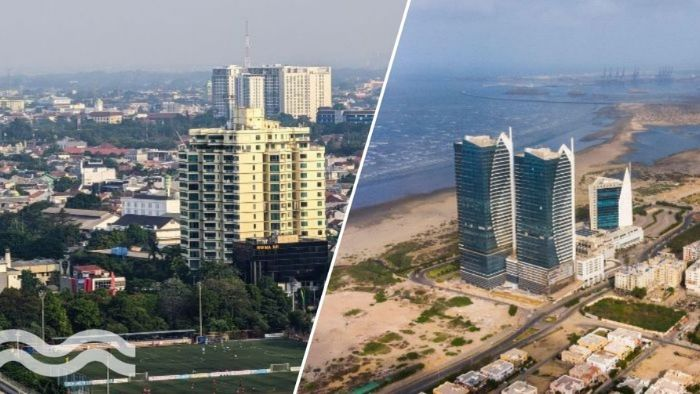
“Take Singapore and Karachi as two examples,” she begins. “If you look at the two cities from a water stress perspective, they are equal. To visit them, you would not think this. Singapore does not feel like it has the same water stress because it is managed differently. Singapore has better water governance, with better infrastructure investments that mitigate water risks.”
“以新加坡和卡拉奇为例,”她说道,“如果从水压力的角度分析,你会觉得这两座城市的情况相当。但实地考察后,你会有完全不同的想法。新加坡并未表现出同等程度的水资源压力,这得益于其独特的管理策略。新加坡通过优化水资源治理机制和加大基础设施投资,有效降低了水风险。”
It is important to understand the risks, measure them accurately, and analyse them properly. To do this, you need a framework. You need a guide to help you understand risks and exposure, so that you make informed decisions.
正确理解水风险非常关键,这样才能精确量化并适当分析。为此,你需要建立一个框架体系,需要借助指导工具来帮你充分了解企业所面临的水风险及其暴露程度,从而做出明智的决策。
“When I started looking at water risk, there were no standard frameworks available to help companies,” explains Möller-Gulland. “Other frameworks, such as those provided by the World Bank, WWF and ADB, were either too general or too specific and hard to use, so I developed the Water Risk Assessment Blueprint to bridge the gap. It offers a step-by-step framework that merges qualitative and quantitative data, which allows the user to efficiently and effectively conduct their own assessment and tailor it to their data situation.”
“我刚开始研究水风险的时候,市面上还没有可供企业参考的标准框架,”Möller-Gulland解释道,“世界银行、世界自然基金会(WWF)和亚洲开发银行(ADB)提供的那些框架要么过于笼统,要么太有针对性而难以推广使用。所以我开发了《水风险评估蓝皮书》,旨在填补这一空白。该框架采用分步式设计,将定性与定量数据有机结合,使用户能够高效开展其风险评估工作,并根据自身数据情况灵活调整框架方案。”
Water risks can be assessed across three overall dimensions 水风险可以从以下三个总体维度进行评估:
Physical (resources) 物理(资源)风险
“One of the main objections I hear is that people can’t assess physical risks because they aren’t hydrologists,” explains Möller-Gulland. “This belief is a key reason why pollution and disaster risk are overlooked and not assessed. You do not need to be a hydrologist or even generate primary data. You can integrate existing data to help you understand exposure.
Möller-Gulland解释道,“我常听到的一个主要反对观点是,由于评估人员并非水文学家,因此无法准确评估物理风险。这种认知也是导致污染与灾害风险被忽视且未被纳入评估因素的关键原因。评估者无需具备专业的水文背景,甚至无需生成原始数据,只需整合现有数据即可了解其风险暴露程度。”
Infrastructure 基础设施风险
“If you can’t move water to where you need it, that is a big risk. In some cases, it can be the biggest water risk,” states Möller-Gulland. “But how can we assess infrastructure risks across both basin and city levels? I like to assess it across seven dimensions.”
她补充说道,“若无法将水资源输送到需求区域,就会埋下重大风险。在某些情况下,这可能演化成最严重的水风险。但如何从流域与城市层面评估基础设施风险呢?我倾向于从以下七个维度去评估。”
Governance risk dimensions 治理风险
According to Möller-Gulland, this is the most ignored water risk dimension. “It often determines the risk exposure even more than physical water risks themselves,” she explains. “This is the difference between Singapore’s and Karachi’s exposure to water risk: water governance determines whether laws are enforced or not, whether infrastructure is built and maintained, whether pollution is controlled, and whether sources are protected. So, two places can face the same water risks but have different outcomes.”
Möller-Gulland指出,这是水风险评估中忽视得最彻底的维度。“它往往比物理风险本身更能决定水风险的暴露程度。这正是新加坡与卡拉奇在水风险暴露程度上的差异所在:水治理机制决定了政府的法律法规是否得到贯彻执行、基础设施是否铺设完成并维护得当、污染是否得到有效控制、水源是否得到妥善保护。因此,两个地区可能面临相同的水风险,却会产生截然不同的效果。”
Physical, infrastructure, and governance risks overlap, influence and impact each other.
物理风险、基础设施风险与治理风险相互重叠、相互影响并互相作用。
Water risks drive action when they are framed correctly 好的评估框架可助力于企业行动
Most water professionals are never trained in how to frame decisions in ways that gain decision-makers’ attention. Even the best water risk analysis can be overlooked by decision-makers.
如何制定出能吸引决策者注意力的评估框架,相信大多数水行业人士都没有相关经验。即便是最优质的水风险分析工具,也可能被决策者们所忽视。
“It is important to reframe how we present risk assessments. We need to contextualise our results and findings, and connect them to wider systems and other risks. The impact of exposure needs to be made explicit because, generally, decision-makers will not care as much about water as someone working in the sector,” Möller-Gulland says, before providing an example.
“最关键的是重建风险评估的呈现方式。我们需要将研究结果和发现情景化,将其与更广泛的系统及其他风险因素进行关联阐述。必须明确风险暴露的影响,因为决策者对水的关注度通常远低于行业从业者。”然后Möller-Gulland进行了举例说明。
“Money is always a driver,” explains Möller-Gulland. “A corporation might respond to operational losses or supply issues, whereas a government might respond to GDP, public health concerns, impact on labour, etc.”
“资金始终是驱动因素,”Moller-Gulland解释道。“企业通常会积极应对运营亏损或供应链故障,而政府则可能对GDP增长、公共卫生问题、劳动力就业影响等因素作出及时响应。”
She adds: “Essentially, you want to understand the client and what drives their decisions. Then you can frame water risk exposure in terms of impact and how it fits into the client’s existing decision-making logic, business plans, aspirations, development plans, etc.”
她补充道:“从本质上讲,你需要深入了解客户需求及其决策的驱动因素,然后将水风险暴露的影响纳入框架分析,并将其与客户现有的决策逻辑、商业计划、发展目标及发展规划等要素相融合。”
Möller-Gulland provides a real-world example of this ‘framing’ conversation, which took place in 2021 after a three-year study conducted by the World Bank at the request of the Indonesian government. Indonesia’s economic goal is to be ranked among the world’s top five economies by 2045. To do this, it needed annual GDP growth of 5.7 per cent. The World Bank study, however, revealed that the country was exposed to various levels of water risk and framed the analysis by explaining how it affected the government’s economic ambitions. Rather than growing annually by 5.7 per cent, without addressing water risks, the country’s GDP would fall by 7.3 per cent. In other words, the government would not achieve its goals by ignoring water risks.
Möller-Gulland提供了一个“框架化”讨论的真实案例。该案例发生于2021年,当时世界银行应印度尼西亚政府要求开展了一项为期三年的研究。印尼的经济目标是到2045年跻身全球前五大经济体之列,为此他们需要保持每年5.7%的年均GDP增长率。然而世界银行的研究显示,该国面临不同程度的水风险,并框架化分析了这些风险如何影响着政府的经济目标。若不解决水风险问题,印尼GDP不但无法每年增长5.7%,反而会下降7.3%。换言之,政府若继续忽视水风险,将无法实现其既定发展目标。
So, what do you need to perform a water risk assessment?那么,水风险评估需要哪些条件?
To perform an accurate water risk assessment, you need:
A framework that tells you what to assess, step-by-step.
You will need to be able to work with and analyse secondary data (that has already been produced by specialists in their field, such as hydrologists and engineers).
And, you will need to contextualise the evidence and prepare it in a way that decision-makers understand the real-world impact of not mitigating water risks.
要进行精准的水风险评估,需要:
一个分步骤指导评估内容的水资源管理框架。
能够处理并分析二次数据(即由该领域专家比如水文学家和工程师已生成的数据)。
将证据情景化处理,并以决策者能够理解的方式呈现,使其意识到不缓解水风险将面临的现实影响。
图文素材来源:AQUATECH、aquatechtrade
“Aquatech China大咖说”栏目聚焦水业前沿,对话全球领军企业决策者及行业专家,分享市场趋势洞察与学术创新内容。Aquatech China致力于打造高效商贸平台,深化产业交流合作,助力业界探索发展机遇,携手共创未来水世界。
专注水行业,覆盖全领域。Aquatech China 2026 亚洲水技术展览会,正是洞察行业趋势、获取前沿解决方案的优质交流平台。在这里,您可以直面全球专家学者,共同探索水资源管理与安全、水环境治理、水处理技术创新等行业前沿趋势。
「观众预登记」现已全面开启,即刻登记即可尊享现场优质服务,获得全面升级的参观体验。期待与各界专业人士共聚一堂,共谋行业未来!

- 扫码注册免费观展 -
Aquatech China 2026 亚洲水技术展览会
荷兰阿姆斯特丹国际水处理展览会·中国展
2026年10月28-30日
中国·上海 新国际博览中心
年度水处理行业国际盛会,期待您的莅临!

展位预定

观众预登记
联系我们
市场合作/观众咨询
潘先生
手机: 18737945006
邮箱: matthew.pan@aquatechexpo.com
展位咨询
华先生
手机: 13621883675
邮箱: a.hua@aquatechexpo.com
Aquatech Global 品牌系列水展

关于Aquatech China 2026
荷兰阿姆斯特丹国际水处理展览会·中国展暨Aquatech China 2026亚洲水技术展览会将于2026年10月28-30日在上海新国际博览中心盛大举办。
作为专注于水、服务于水的水处理行业风向标展览会,Aquatech China展品覆盖水处理全产业链,包含净水、水与污水处理、水环境治理、给排水管网及泵管阀、过程控制与自动化管理、智慧水务等领域。展会背靠荷兰母展近60年水处理展会经验与资源,辐射亚太地区水处理行业,是全球水处理人技术交流、商贸往来的优选专业平台。
Aquatech China由荷兰RAI锐昂展览集团大中华区子公司——锐昂展览(上海)有限公司主办。更多请访问官网: www.aquatechexpo.com


扫码关注获取行业资讯

扫码进入行业社群交流
关注我们
专注水行业 覆盖全领域